Second Foundation
by Isaac Asimov
Second Foundation (1953) concludes the original trilogy. The Mule searches for the hidden Second Foundation of mentalics, while teenager Arkady Darell later uncovers the truth about its location — a double twist ending that reveals it was hidden on Trantor all along.
Published
1953
Pages
210
Pub. Order
#3
Chron. Order
#12
Recognition & Milestones
Hugo Award for Best All-Time Series (1966, as part of the trilogy)
Synopsis
In 'Search by the Mule,' the defeated Mule sends his converted generals to find the Second Foundation, which he believes is the only remaining threat to his empire. The Second Foundation's First Speaker orchestrates a subtle defense, using the Mule's own converted agents to feed him false information. The Second Foundation ultimately adjusts the Mule's emotional makeup, removing his ambition while leaving him otherwise intact. He lives out the rest of his life, about five more years, as a peaceful ruler.
In 'Search by the Foundation,' set decades later, the First Foundation has become aware of the Second Foundation's existence and views it as a threat to its independence. Teenager Arkady Darell — granddaughter of Bayta — becomes entangled in the search. The First Foundation believes it has located and destroyed the Second Foundation on Terminus itself, but the real twist is that Arkady was subtly guided by Second Foundation agents. The true Second Foundation remains hidden on Trantor — 'at Star's End,' which refers not to the edge of the galaxy but to the old capital, the star around which all others once orbited.
Reader's Guide
How the Book Is Built
Second Foundation completes the original trilogy in two parts, both first serialized in Astounding Science Fiction:
- "Search by the Mule" (as "Now You See It," January 1948) follows the Mule's final hunt for the Second Foundation, through two agents: the Converted Han Pritcher and the young, unconverted Bail Channis.
- "Search by the Foundation" (as "...And Now You Don't," November 1949 to January 1950) is set about sixty years later. A group of scientists on Terminus, led by Dr. Toran Darell, becomes convinced the Second Foundation is secretly manipulating them, and his fourteen-year-old daughter Arkady launches an investigation of her own.
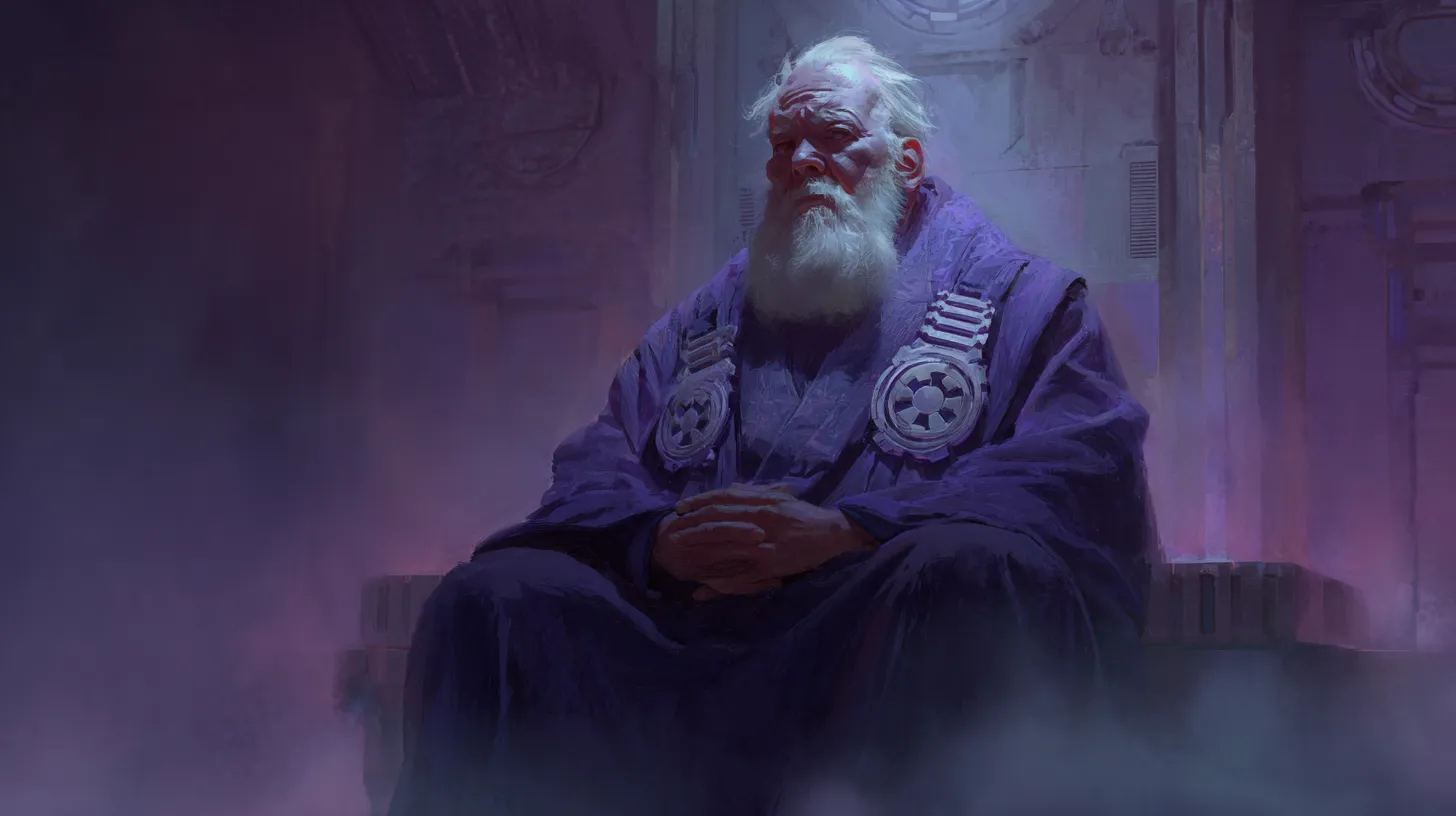
Between the chapters, short interludes take the reader inside the Second Foundation itself, where the First Speaker talks with his colleagues or a student. These are the first scenes in the series told from the Second Foundation's point of view.
What to Watch For
Bluff and double bluff. Both halves are cat-and-mouse stories about a search, and in both the searchers are being watched while they search. The fun is in trying to work out who knows what. Each part ends with a reveal that changes the meaning of what you have just read.
The interludes. These are easy to skim, but they are where Asimov shows how the Second Foundation thinks: in probabilities, with a reluctant ruthlessness. They also contain the series' clearest description of the Prime Radiant.
Arkady. A fourteen-year-old with a writer's imagination and a habit of eavesdropping carries the second half. She is often very smart and sometimes exactly as naive as a fourteen-year-old should be, and the story knows the difference.
"Star's End." The trilogy's central riddle is where the Second Foundation is. Seldon said it was at "the other end of the Galaxy," at "Star's End." Pay attention to the different ways characters interpret that phrase.
Where It Fits and Who It's For
Read it after Foundation and Empire. It concludes the Mule's story and answers the question the whole trilogy has been asking, so it is a satisfying place to stop if you only want the original three books. Asimov himself stopped here for about thirty years.
If you want more, continue with Foundation's Edge (1982), which picks up the questions this book leaves open about the Second Foundation's control over events.
On Screen
The Apple TV+ series introduces the Second Foundation much earlier and very differently, as a community of mentalics trained by Gaal and Seldon on the planet Ignis. Preem Palver, who in the book is the First Speaker in "Search by the Foundation," leads that community in Season 3. The finale of Season 3 borrows this book's biggest idea, that the Second Foundation hides on Trantor.
Key Themes
Historical Context & Writing Background
Originally serialized as two stories in Astounding Science Fiction: 'Now You See It' (January 1948) and '...And Now You Don't' (November 1949–January 1950). The double-twist ending about the Second Foundation's location is the trilogy's most famous puzzle.
Critical Reception
Second Foundation completed the trilogy that would win the 1966 Hugo Award for 'Best All-Time Series'. The mystery of the Second Foundation's location and the double-twist ending remain highly praised. As the Encyclopedia of Science Fiction notes, some critics consider the resolution overly clever, but most view it as a fitting conclusion to the trilogy's themes of hidden manipulation.
Connection to Asimov's Universe
The revelation that the Second Foundation operates from Trantor is crucial to all later Foundation novels. In 'Foundation's Edge,' the conflict between the two Foundations drives the plot, while the mentalic abilities introduced here connect to the broader themes of Gaia in 'Foundation and Earth.'
Read more on WikipediaFrequently Asked Questions About Second Foundation
Where is the Second Foundation located?
The Second Foundation is located on Trantor, the former capital of the Galactic Empire. The phrase 'at Star's End' — the opposite end of the galaxy from Terminus — refers to Trantor, which was once the 'star' around which all galactic civilization orbited. This double meaning is the central twist of the novel.
What is the Second Foundation?
The Second Foundation is a secret organization of mentalics — people trained in the science of controlling and reading minds. Established by Hari Seldon simultaneously with the First Foundation, it was designed to guide the Seldon Plan from the shadows, making adjustments when unexpected events (like the Mule) threaten the timeline.