Concepts & Terminology
Explore the scientific principles, philosophical concepts, and technological marvels that define Isaac Asimov's Foundation universe.
Core Concepts
Psychohistory
CoreThe mathematical framework developed by Hari Seldon to predict the future behavior of large populations.
The Seldon Plan
CoreHari Seldon's masterwork: a millennia-spanning plan to reduce 30,000 years of darkness to just 1,000 years.
Encyclopedia Galactica
CoreThe ostensible purpose of the First Foundation: to preserve all human knowledge in one comprehensive encyclopedia.
Seldon Crisis
CorePredicted pivotal moments in history where the Foundation faces critical challenges with only one solution.
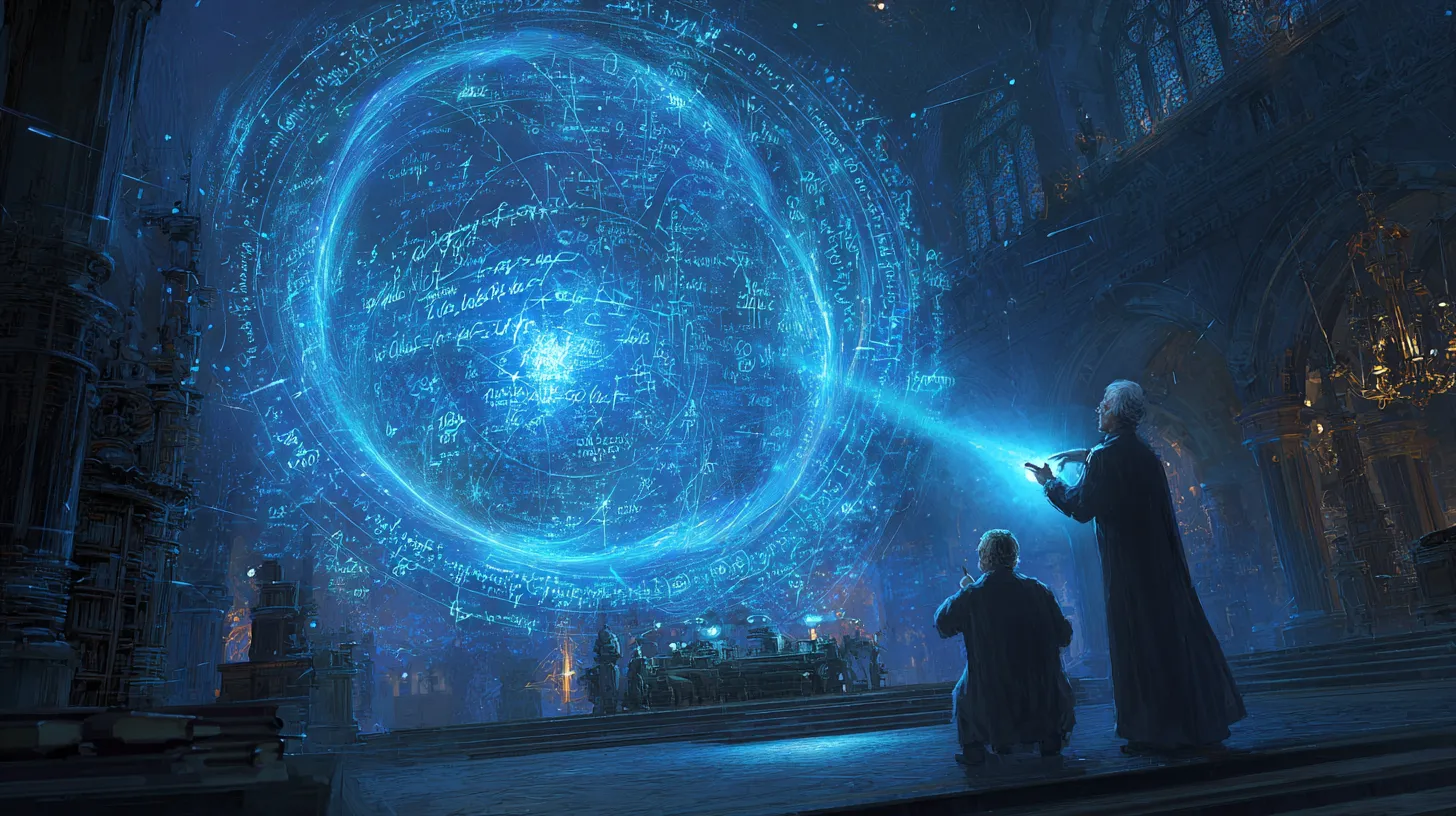
Mentalics
Mental powers possessed by members of the Second Foundation, allowing them to manipulate emotions and thoughts.
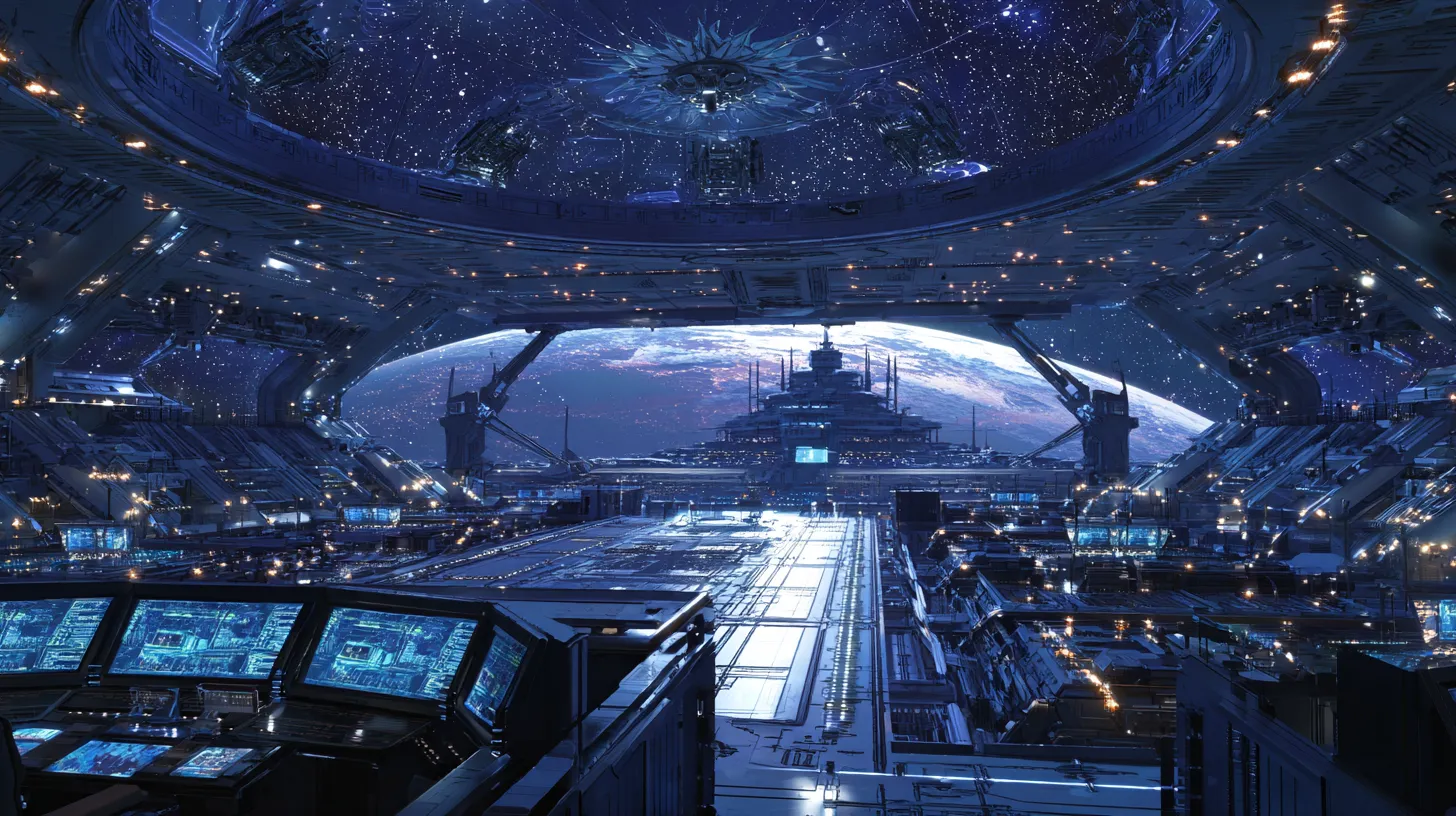
Galactic Empire
CoreThe vast empire spanning 25 million inhabited worlds, in decline during the Foundation era.
Additional Terms
Aurora
LocationAurora is the oldest and most powerful of the fifty Spacer worlds in Isaac Asimov's universe. With a small population of just 200 million humans served by billions of robots, Aurora represents the pinnacle—and the danger—of a civilization that chose comfort and isolation over growth.
Solaria
LocationSolaria is the most extreme of the fifty Spacer worlds—a planet where each human lives alone on vast estates, communicating only through holographic 'viewing,' and where physical contact between humans is virtually taboo. It represents Asimov's darkest vision of where technology-dependent isolation leads.
Gaia
LocationGaia is a planet where every organism, rock, ocean, and atom shares a single collective consciousness. It represents Asimov's ultimate answer to the question of humanity's future — not individual achievement, but cosmic unity. Gaia is the prototype for Galaxia, the potential merging of all life in the galaxy into one superorganism.
Anacreon
LocationAnacreon is the most powerful of the Four Kingdoms that emerged near Terminus after the Galactic Empire's withdrawal from the Periphery. Its military threats forced the Foundation through its first Seldon Crisis, establishing the pattern of existential challenges that would define the Foundation's first centuries.
Star's End
LocationStar's End is the legendary location of the Second Foundation — established by Hari Seldon 'at the other end of the galaxy' from Terminus. The phrase 'at Star's End' is one of the greatest riddles in the Foundation saga, as the true location of the Second Foundation proved to be the most closely guarded secret in galactic history.
Places in the Foundation Universe
The saga's main settings have their own guides. The smaller worlds, from Smyrno and Korell to Sayshell, Comporellon, and Alpha, are collected in one guide.
Understanding Foundation's Core Concepts
Isaac Asimov's Foundation series introduces readers to groundbreaking scientific and philosophical concepts that have influenced science fiction for decades. At the heart of the series lies psychohistory, a fictional mathematical framework that combines history, sociology, and mathematics to predict the future of large populations.
The Foundation of Psychohistory
Psychohistory is perhaps the most significant concept in the series. Developed by Hari Seldon, this discipline allows prediction of future events with remarkable accuracy, though it works only on sufficiently large populations and cannot predict individual behavior. This limitation becomes crucial to the plot when unexpected individuals (like the Mule) threaten the Seldon Plan.
Technology and Society
Beyond psychohistory, the series explores various technological and social concepts, from nuclear power ("atomics") to faster-than-light travel. Each concept serves not just as world-building but as a lens through which Asimov examines real-world issues of power, knowledge, and social change.