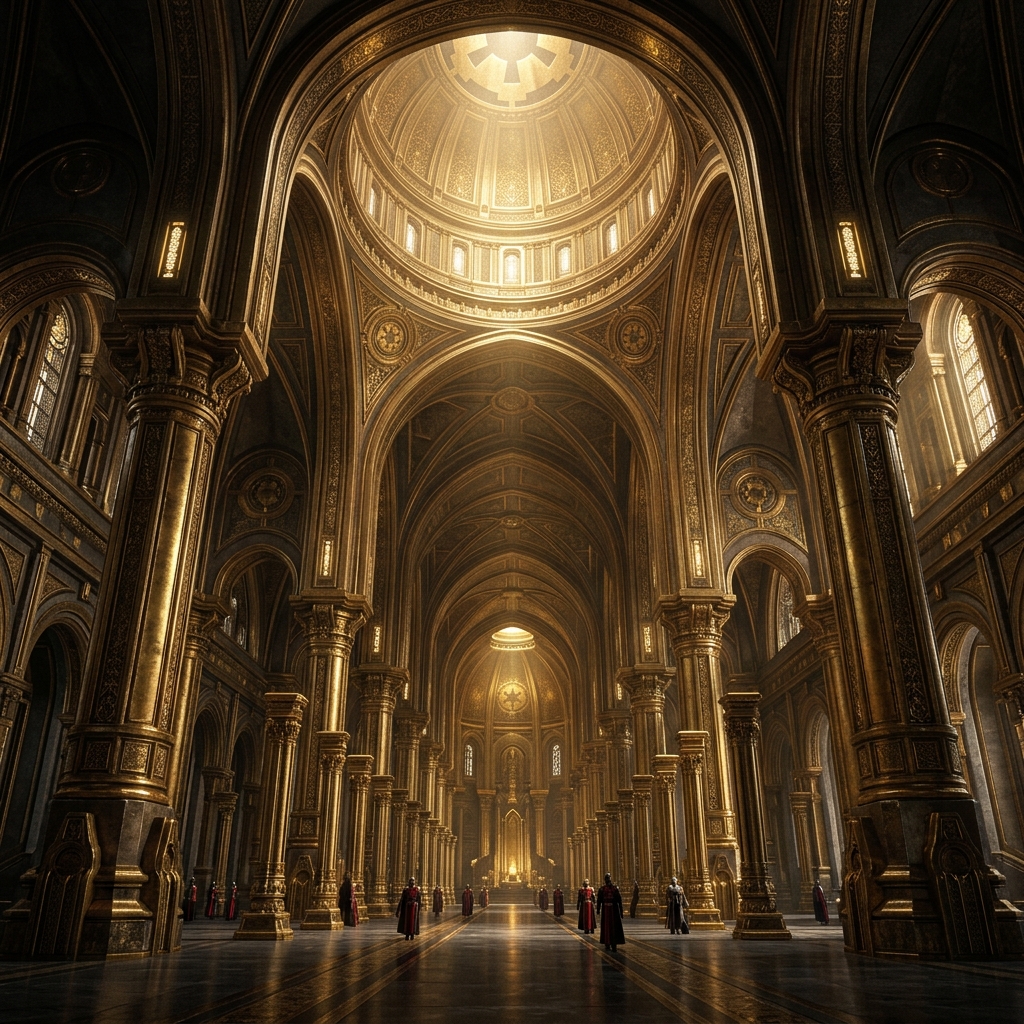
The Stars, Like Dust
by Isaac Asimov
The Stars, Like Dust (1951) is the earliest-set Empire novel. A young nobleman fleeing assassination uncovers a rebellion against the Tyranni overlords, in a space adventure set during the early expansion of human civilization across the galaxy.
Published
1951
Pages
186
Pub. Order
#13
Chron. Order
#6
Synopsis
Young Biron Farrill, son of the Rancher of Widemos, discovers that his father has been executed by the Tyranni — a conquering race that rules over many worlds. Fleeing assassination, Biron joins a rebellion against the Tyranni with the help of Artemisia, daughter of the puppet Director of Rhodia, and her eccentric uncle Gillbret.
The story follows their search for a mythical rebellion world and a secret document that could overthrow the Tyranni. The adventure involves political intrigue, betrayal, and space travel across multiple star systems.
Reader's Guide
How the Book Is Built
The Stars, Like Dust (1951) is a space adventure first serialized in Galaxy in 1951 under the title Tyrann. It is set long before the Galactic Empire, in a cluster of small worlds called the Nebular Kingdoms, which are ruled by the Tyranni, a militaristic power.
Young Biron Farrill learns that his father, a nobleman who opposed the Tyranni, has been executed, and that he is next. He flees, and in the course of the chase he joins forces with Artemisia, daughter of the puppet Director of Rhodia, and her eccentric uncle Gillbret. Together they search for a legendary rebellion world, and for a mysterious document that is supposed to be the key to overthrowing the Tyranni.
What to Watch For
A younger Asimov. This is one of his first novels, and it reads like a pulp adventure: chases, betrayals, a romance, and a villain whose motives are revealed late. It is much more action-driven than the Foundation books.
The document. The secret document at the center of the plot turns out to be something very familiar to American readers. Asimov later said the ending was pushed on him by the editor Horace Gold and that he never liked it.
Politics in miniature. The book is about how small powers survive between big ones, a theme Asimov would handle far more skillfully in the Foundation stories.
Where It Fits and Who It's For
Asimov later placed this book in the same future history as the Empire novels, but its links to the rest of the saga are thin. It is optional for anyone reading the Foundation series, and it is generally considered the weakest of Asimov's novels, a verdict he shared.
Read it if you are a completist, or if you want to see how Asimov's craft developed. For the Empire period, Pebble in the Sky and The Currents of Space are stronger choices.
On Screen
No adaptation exists.
Key Themes
Historical Context & Writing Background
Published in 1951, this was one of Asimov's earliest novels. Asimov later admitted in his autobiography I. Asimov: A Memoir (1994) that it was his least favorite book, particularly disliking the ending which editor Horace Gold insisted upon. Despite this, it provides important context for the development of the Galactic Empire).
Critical Reception
Generally considered the weakest of Asimov's novels, largely due to the imposed ending. According to the Encyclopedia of Science Fiction, Asimov himself was critical of the book. However, it remains readable as a space adventure and is valued by completists for its place in the broader universe.
Connection to Asimov's Universe
Set during the early period of galactic colonization, thousands of years before the Foundation era. The Tyranni represent one of many predecessor empires before the rise of the unified Galactic Empire described in the Foundation novels.
Read more on WikipediaFrequently Asked Questions About The Stars, Like Dust
Do I need to read The Stars, Like Dust?
No. The Empire novels are generally considered optional for understanding the Foundation series. The Stars, Like Dust is the weakest of the three and Asimov himself was disappointed with it. However, it provides background on the early galactic civilization period.