The Naked Sun
by Isaac Asimov
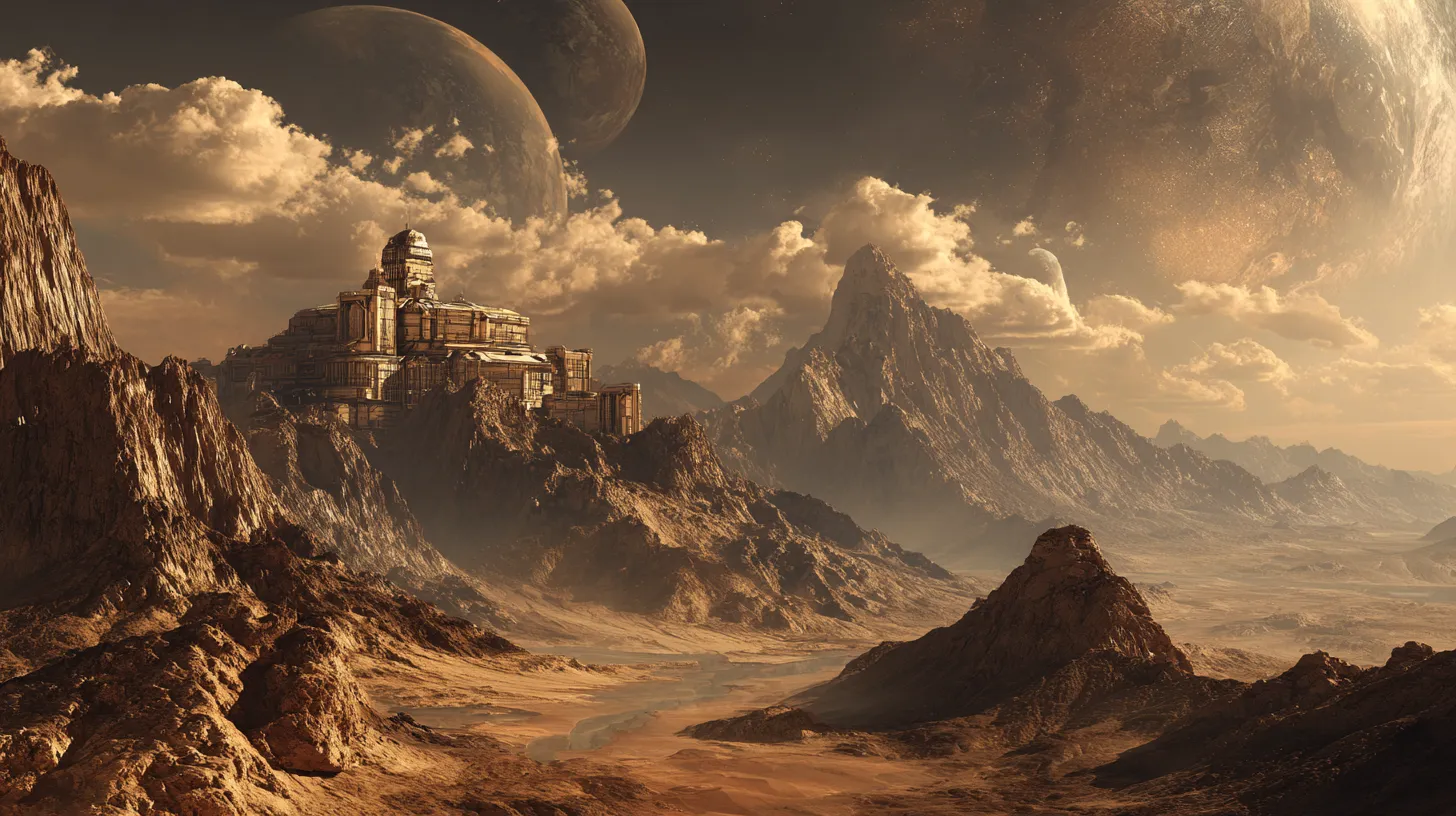
The Naked Sun (1957) sends Baley and Daneel to Solaria, where the murder mystery explores a society of extreme isolation — each human lives on a vast estate with hundreds of robots, never meeting anyone in person, making the concept of physical murder seemingly impossible.
Published
1957
Pages
187
Pub. Order
#10
Chron. Order
#3
Synopsis
Elijah Baley must leave Earth for the first time to investigate a murder on Solaria, a Spacer world where humans live in total isolation on vast estates, served by thousands of robots. Physical contact — even being in the same room — is considered taboo. Murder should be impossible on such a world.
Partnered again with R. Daneel Olivaw, who travels with him, Baley must interview suspects by 'viewing' and overcome his own severe agoraphobia while solving the case and understanding a society diametrically opposed to everything he knows.
Reader's Guide
How the Book Is Built
The Naked Sun was serialized in Astounding Science Fiction from October to December 1956 and published as a book in 1957. It is the second Elijah Baley mystery, and it reverses the first.
In The Caves of Steel, a Spacer comes to crowded Earth. Here, Baley, who has never been outdoors, is sent to Solaria, the most extreme Spacer world. Solaria has about 20,000 people, each living alone on an enormous estate run by thousands of robots. Solarians almost never meet in person; they "view" each other by three-dimensional projection, and physical presence is close to taboo. Someone has murdered a Solarian scientist, and the obvious suspect is his wife, Gladia. The problem is that no one on Solaria ever gets close enough to anyone to kill them. R. Daneel Olivaw goes with Baley as his partner.
What to Watch For
Two phobias, facing each other. Baley is terrified of open sky. Solarians are terrified of other people. The book gets a great deal of comedy and tension out of both, and Baley's struggle with the open air is the thread that runs through the whole Robot series.
The Three Laws as a loophole. Once again the mystery depends on the Laws, but this time on their limits: what can a robot be tricked into doing if it doesn't have the full picture?
Gladia. Gladia is one of the more unusual figures in Asimov's fiction: lonely, defensive, and more curious than her world allows. She returns in the next two Robot novels.
Solaria as a warning. Asimov wrote this in the 1950s, but it reads like a book about remote life: a society where everyone is connected by screens and no one touches. It is the most quoted of the Robot novels for that reason.
Where It Fits and Who It's For
Read it after The Caves of Steel. It stands alone as a mystery, but the Baley and Daneel partnership means much more if you know how it began.
It also sets up the Foundation-era payoff: in Foundation and Earth, set twenty thousand years later, Trevize and his companions visit Solaria and discover what its people have become.
On Screen
The BBC adapted it in 1969 for its Out of the Unknown series. The TV series Foundation has not used Solaria.
Key Themes
Key Characters
R. Daneel Olivaw
Robot detective partnering again with Baley
Historical Context & Writing Background
Published in 1957 by Doubleday), The Naked Sun explores ideas about surveillance, isolation, and telepresence that were decades ahead of their time. Solaria's 'viewing' technology — remote holographic communication instead of personal meeting — eerily predicts modern video calling culture and remote work trends.
Critical Reception
Regarded as one of the best Robot novels. According to the Encyclopedia of Science Fiction, critics praise its tight mystery plot and prescient social commentary about technology-enabled isolation. The contrast between Earth's overcrowding and Solaria's emptiness gives the novel its lasting thematic power.
Connection to Asimov's Universe
Solaria returns as a key location in 'Foundation and Earth,' where Trevize discovers its descendants have evolved into something post-human. The Solarian culture of isolation and robot dependence serves as a warning about humanity's possible future.
Read more on WikipediaFrequently Asked Questions About The Naked Sun
What makes Solaria unique in Asimov's universe?
Solaria is a Spacer world where only 20,000 humans live on an entire planet, each on a vast estate with thousands of robots. Physical contact is taboo — all interaction happens via holographic 'viewing.' This extreme isolation makes the concept of physical murder seemingly impossible, creating the novel's central mystery.